
Asana
How asanas are better with someone special
Consistency, honest feedback and a steady hand at your sacrum. What changes in a physical yoga practice when someone you love unrolls their mat beside yours.
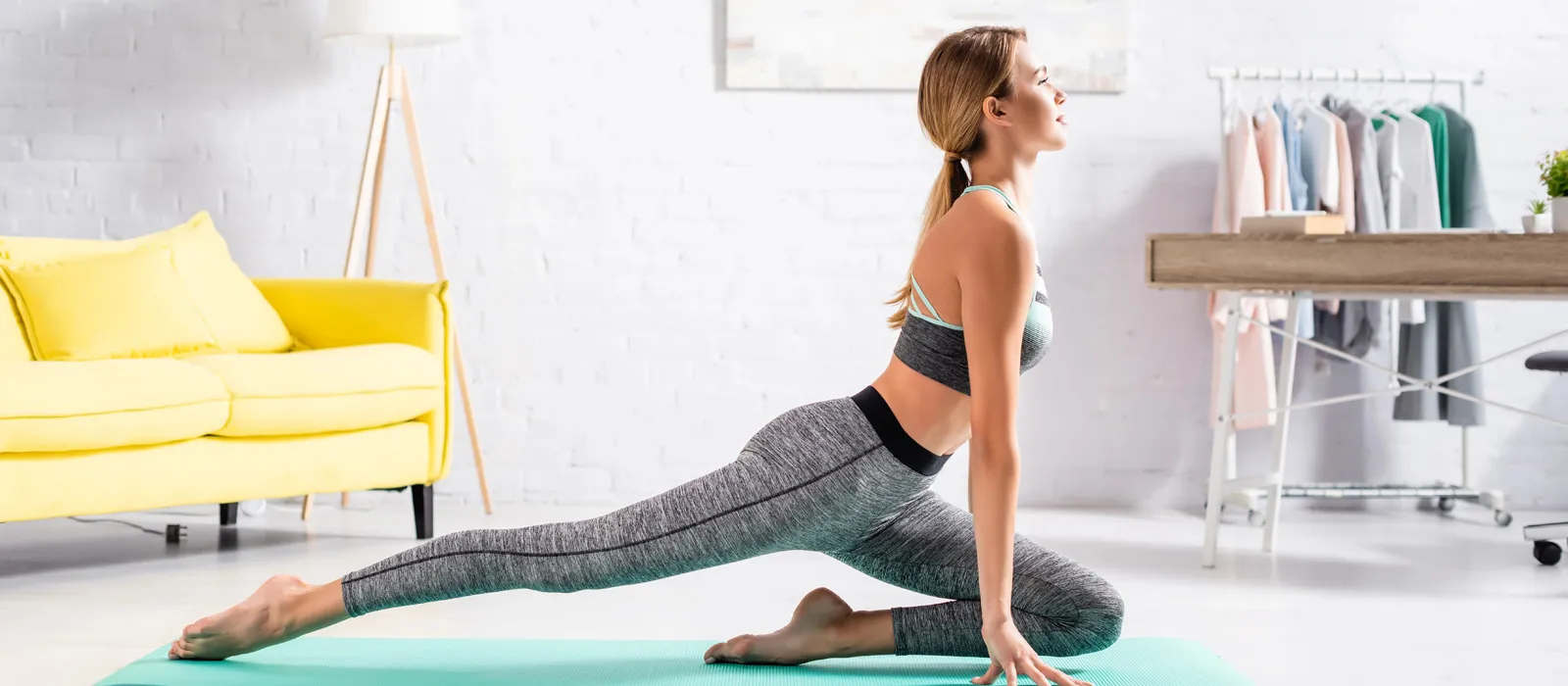
Asana, the physical posture is the limb of yoga most of us meet first. It is also the one that changes most when you stop practicing alone. Anyone who has held Trikonasana beside someone they love knows the difference is not just pleasant company. The practice itself behaves differently.
This is not about acrobatic partner poses for a photograph. It is about what happens to an ordinary practice when a person who matters to you unrolls their mat alongside yours.
Why asana practice deepens with a partner
Asana asks for two things that are hard to sustain alone, consistency and honest feedback. A partner supplies both without effort. The 6am practice you would happily skip on a cold Tuesday becomes much harder to skip when someone is already awake and waiting. Over months, that single change, showing up more often, does more for your practice than any workshop.
The feedback matters just as much. You cannot see your own alignment. A partner who practises regularly can tell you that your front knee is drifting inward in Virabhadrasana II, or that your shoulders are climbing toward your ears in Adho Mukha Svanasana. Not as a teacher would, with authority, but as someone who is watching closely because they care.
You cannot see your own practice. Someone who loves you can.
The postures that genuinely work better together
Some asanas are simply more accessible with a second pair of hands. Others take on new meaning.
- Supported backbends. Ustrasana and Setu Bandha open the front body, and having someone steady your hips or offer a hand at your sacrum lets you go further with less anxiety. Backbends are vulnerable postures — the chest is exposed, the throat is open — and doing them in trusted company changes how they feel.
- Seated forward folds. A light, patient hand between the shoulder blades in Paschimottanasana teaches the difference between softening and forcing better than any cue.
- Balances. Vrksasana and Garudasana with fingertips touching is a small thing that reveals a great deal about how two people share weight.
- Savasana. The most underrated partner posture. Lying still beside someone, doing nothing at all, is a surprisingly intimate act.
What partner practice teaches that solo practice cannot
Yoga is fundamentally a discipline of attention. Practicing with someone you love adds a second object of attention, and learning to hold both your own breath and another person's presence is a genuine skill.
It also surfaces the ego quickly. If your partner's Hanumanasana is deeper than yours, you will find out immediately how attached you are to being the more advanced one. Most people are more attached than they thought. That discovery is uncomfortable and extremely useful, and it is the sort of thing that only shows up when someone else is in the room.
Practising together without friction
- Agree the length and style before you begin. Mismatched expectations cause most partner-practice arguments.
- Take turns leading. Alternating weeks stops one person becoming the permanent teacher.
- Never adjust without asking. Consent on the mat is not a formality.
- Let the more experienced practitioner practise at their own level. Holding back builds quiet resentment.
Different bodies, different practices, same mat
Couples rarely arrive at the same ability, and they do not need to. One person's Ashtanga primary series and another person's gentle Yin session can share a room perfectly well. The shared element is the hour, the quiet, and the intention, not the sequence.
In fact, mixed level practice often works better than matched practice. There is less comparison, less competition, and more genuine curiosity about what the other person is doing and why. Many couples find their styles slowly converge anyway, each borrowing from the other.
From the mat into the relationship
The traffic runs both ways. Practicing asana together teaches patience with a body that is not yours, on a timeline that is not yours which is more or less the whole job description of a long relationship. You learn to notice when someone is struggling without commenting on it. You learn that progress is not linear for anyone.
And the reverse: a settled relationship makes the practice steadier. It is difficult to find equanimity in Ardha Chandrasana when your personal life is in disarray, a point explored further in our guide to the benefits of Dhyana when your personal life is in order.
Finding someone to practise with
The practical obstacle is not technique. It is finding a partner for whom yoga is genuinely part of life rather than a hobby they tolerate in you. Explaining a retreat weekend or a 5:45am alarm to someone who does not practise gets tiring, and the mat becomes something you do apart rather than together.
That is exactly the gap Yoga Date exists to close. Everyone here already understands the lifestyle. The early mornings, the studio community, the reason you would rather do a workshop than a nightclub. Read more about why yoga dating works so well for finding a soulmate, or explore how pranayama changes when you practise it with someone you love.
Continue your practice
Read next
Find someone to practise beside
Meet yoga singles who already keep the same hours, love the same styles, and will never ask you to explain the 6am alarm.
Join Free